
A useful office pod project brief explains who will use the space, what they will do inside it, where it will go, and what the project team needs to verify before ordering. For office furniture dealers, workplace designers and facilities teams, a shared brief makes it easier to compare proposals on the same basis.
This checklist covers information to gather for an office phone booth or meeting pod project. It is a planning tool, not a specification or a promise that a particular model meets every project requirement.
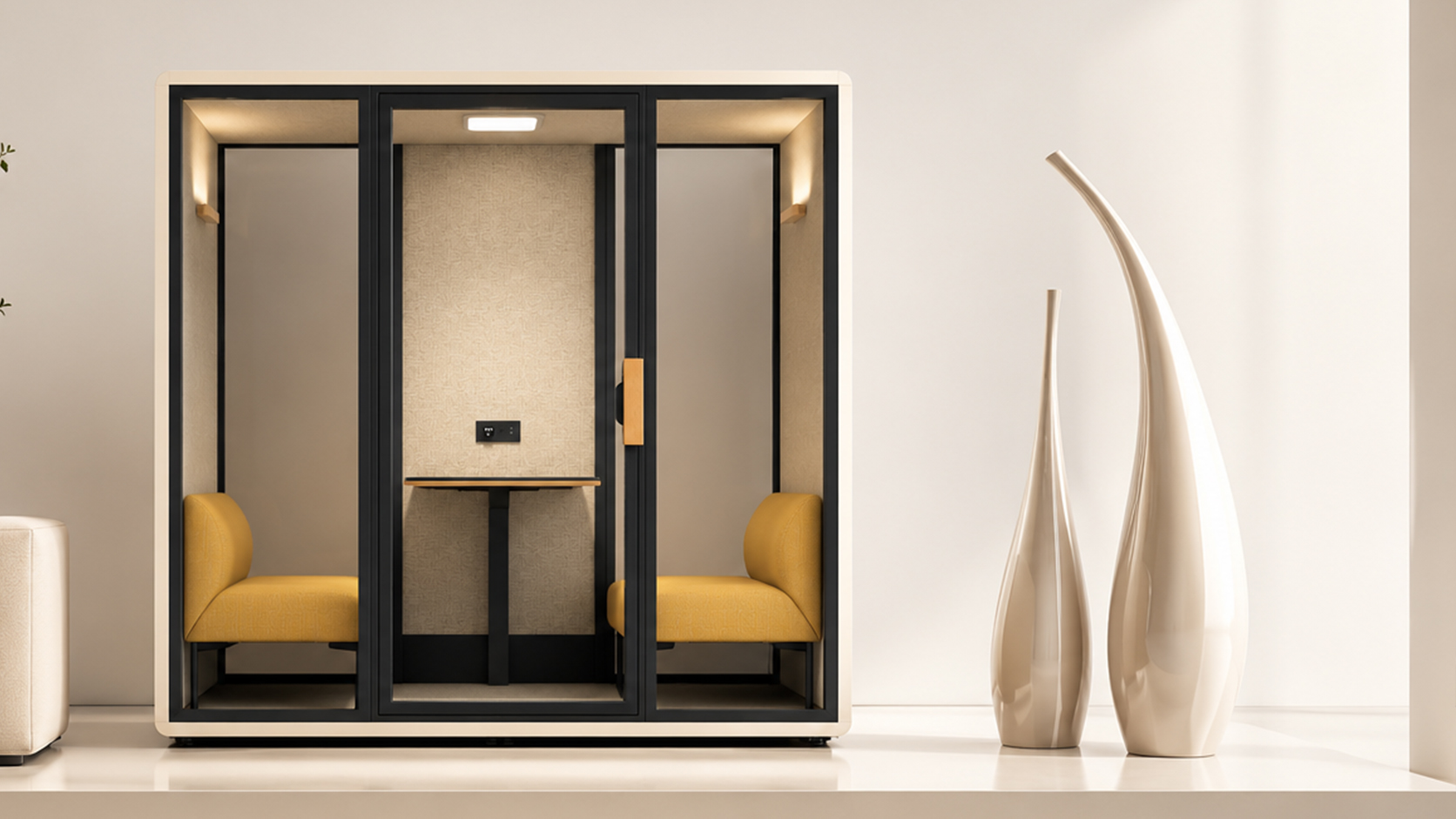
1. Describe the work before choosing the pod
Start with the activity: individual phone calls, video meetings, concentrated laptop work, interviews or small-group discussions. Record the expected number of users and typical session length. A space intended for short calls has a different furniture and equipment brief from one used for longer collaborative sessions.
Ask the workplace team where demand comes from. Are meeting rooms being used by one person on a call? Do employees need somewhere to join remote meetings? Use observations and staff feedback rather than assuming that the largest available pod is the best fit.
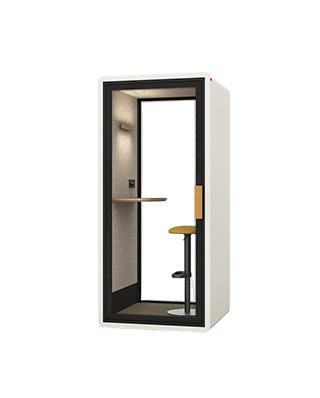
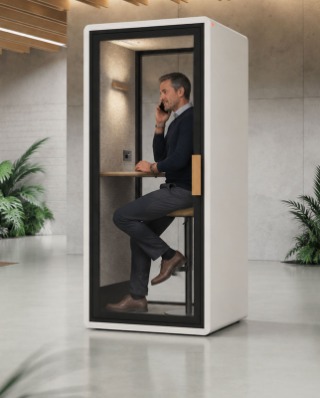
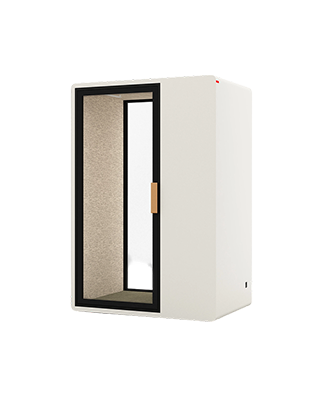
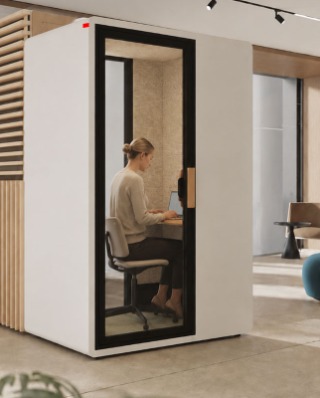
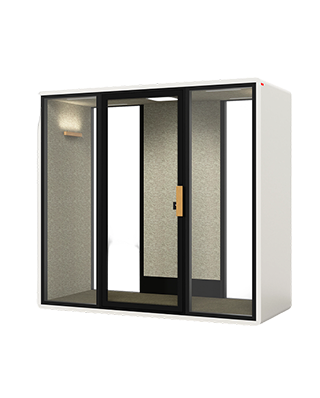
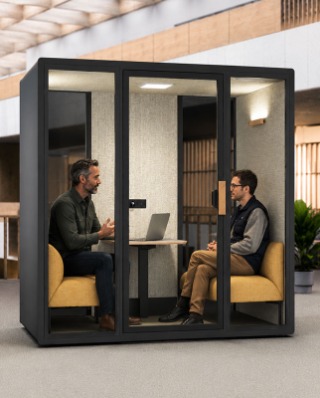
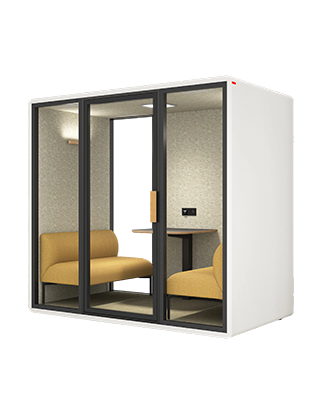
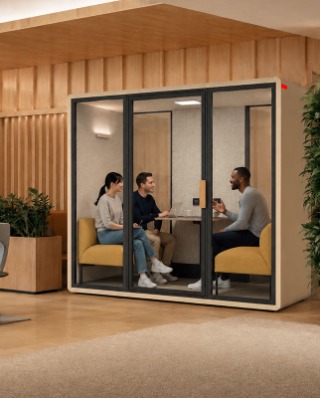
Browse the SpeX acoustic pod range after defining the use case. For an individual workspace, the SpeX One Max product page is one starting point for a model-specific discussion.
2. Share a floor plan and the delivery route
Provide a marked floor plan, photographs of the proposed location and the available ceiling height. Show nearby workstations, circulation routes and services. Include space for doors to open and for people to approach and leave the pod comfortably.
Record the route from the unloading point to the final location: doors, corridors, stairs, lifts and any restricted access times. Ask the supplier to confirm the packaged dimensions, component handling requirements and installation clearances for the exact model and configuration. The finished pod footprint alone does not establish whether delivery will work.
For the wider layout discussion, read our office soundproof booth placement guide.
3. Define the privacy question clearly
Explain what needs to improve: distraction at nearby desks, speech being overheard outside the pod, or the experience of taking calls inside it. These are related questions, but they should not be treated as identical requirements.
Request acoustic evidence for the proposed model. Ask which test method was used, what configuration was tested and how the reported measure should be interpreted. Do not compare unrelated acoustic numbers as if they were interchangeable. A demonstration recording can help introduce a product, but it does not replace a relevant test report or an assessment of the actual office environment.
4. List services and equipment
Tell the supplier the destination country and the project requirements for electrical supply, sockets and equipment. List laptops, displays or other devices that users expect to bring or install. Ask for confirmation of the exact supplied configuration and what must be provided on site.
Discuss ventilation, operating controls, lighting and maintenance access in relation to the intended occupancy and session length. Ask how the pod should be positioned so its ventilation openings remain clear. Have the responsible project professionals review building, accessibility, fire-safety and electrical requirements for the installation location.
5. Agree on responsibilities before delivery
Record who is responsible for unloading, moving components, assembly, site preparation and final handover. Ask what access, tools and staffing are required. Request a project-specific delivery and installation plan rather than treating a general website statement as a confirmed schedule.
For dealers managing several sites, identify the destination and configuration of each unit. Keep the agreed product revision, finish choices and supplied accessories together so that procurement, installation and facilities teams work from the same information.
6. Prepare the operating handover
Name the person who will manage the pod after installation. The handover should include the applicable operating and care instructions, an agreed route for reporting faults, and the relevant support and warranty terms.
Set simple booking and shared-use rules. Explain how to leave the space ready for the next person, keep ventilation openings clear and report problems. Collect user feedback after the pod enters service to identify practical issues with booking, layout or equipment.
A brief you can send to your project team
- Use: main activities, intended users and typical session length.
- Location: country, site floor plan, photographs and available space.
- Access: unloading point, doors, lifts, stairs and working-hour restrictions.
- Requirements: privacy objectives, equipment, services and local project checks.
- Configuration: shortlisted model, finishes, furniture and accessories to confirm.
- Delivery and handover: target project dates, responsible parties and required documents.
Frequently asked questions
Can we choose an office pod from its external dimensions alone?
No. Also check the internal layout, intended use, door operation, installation clearances and component delivery route with the supplier.
Should a dealer request the same documents for every model?
Use a consistent checklist, but request evidence and instructions that apply to each exact model and configuration. Do not assume that one report covers an entire product range.
What should we send SpeX first?
Start with your intended use, destination country, floor plan and access constraints. Include any shortlisted model and project requirements so the discussion can focus on the information that still needs confirmation.
Discuss your office pod project with SpeX
SpeX Acoustics (Foshan) Technology Co., Ltd. offers acoustic pods for workplace applications. Explore our product range, then send your project brief to SpeX. Confirm model details, local suitability, delivery arrangements and support terms for your project before placing an order.