
How to Run an Office Pod Demonstration for Workplace Buyers
Sep. 29, 2026
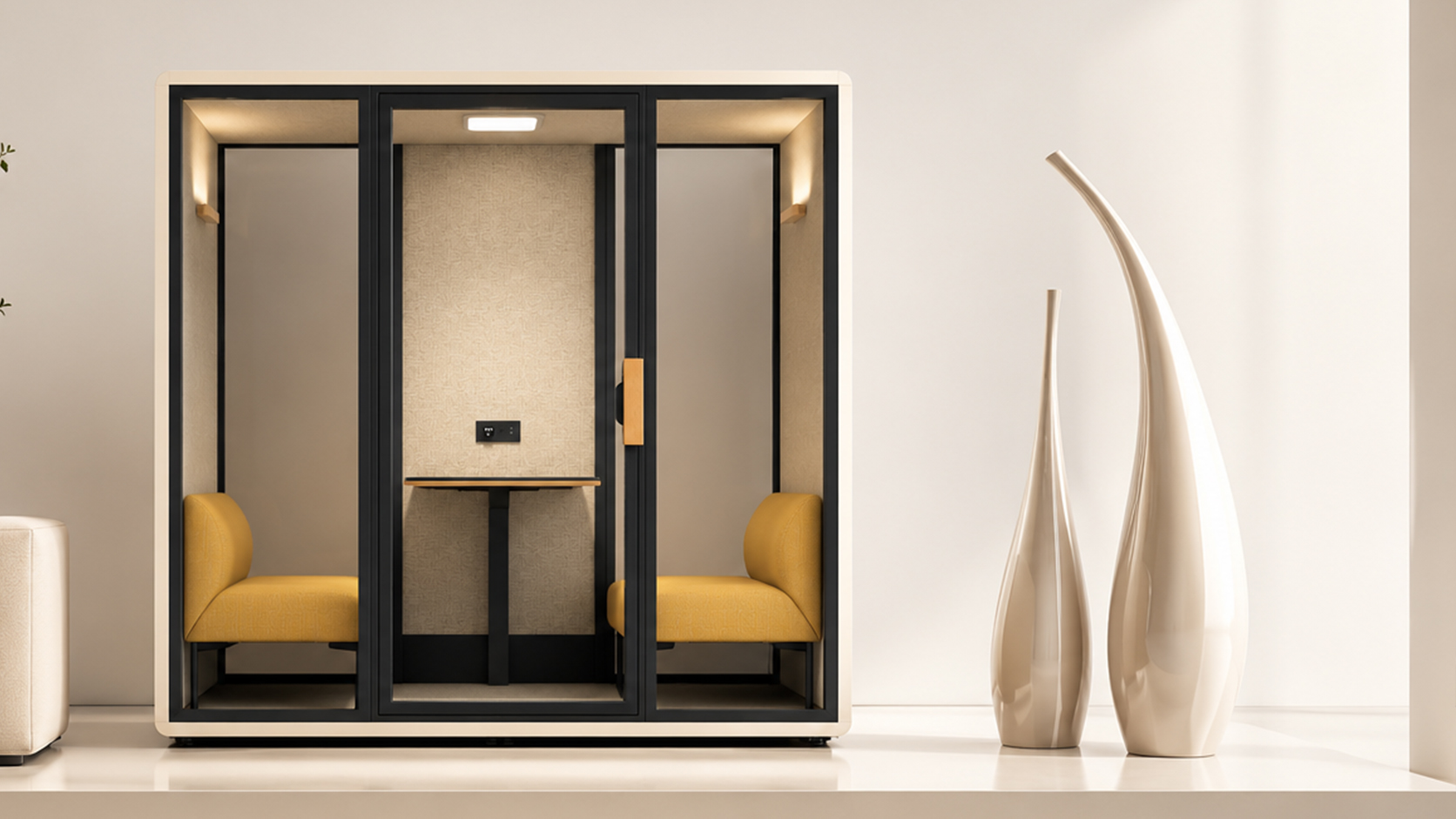
An office pod demonstration is most useful when visitors try the work they expect to do inside it. For an office furniture dealer, that means moving beyond a quick look through the door. A structured visit can reveal practical questions about calls, equipment and everyday use before a buyer selects a configuration.
Start with one realistic task
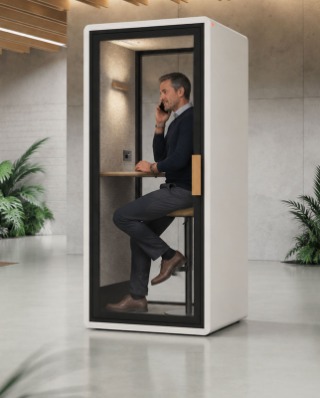
Ask the visitor to choose a typical activity: a short phone call, a video meeting or a period of individual work. Use their normal laptop or headset where practical. Keep confidential business information out of the demonstration; a sample conversation is enough.
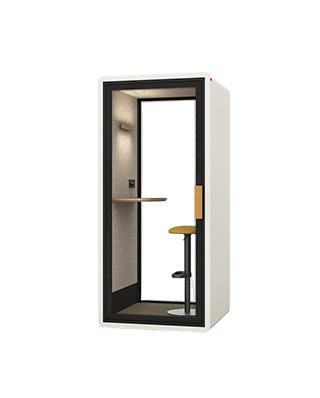
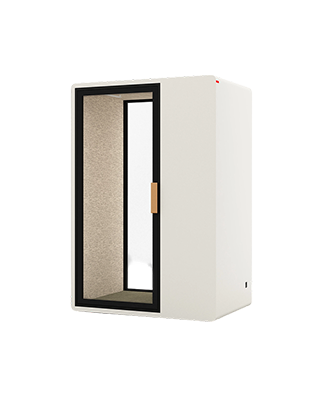
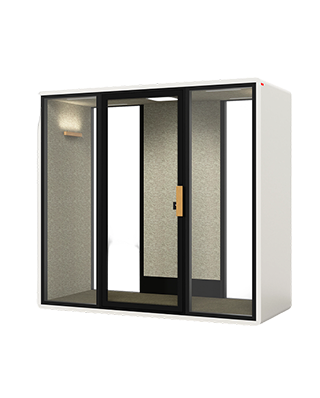
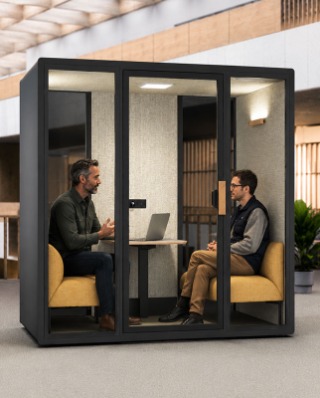
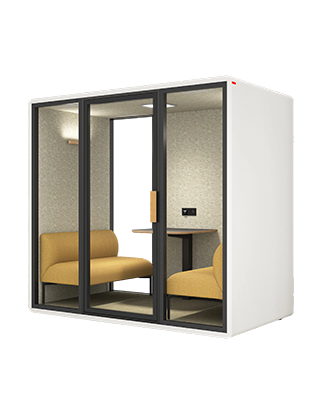
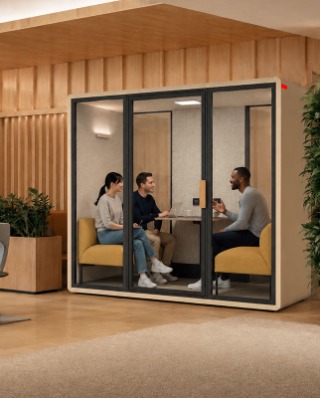
Record the model and configuration being shown. Furniture, lighting, power connections and other fitted features should be identified accurately, so visitors do not assume every option is included in every order. Review the current SpeX acoustic pod range before discussing a specific model.
Compare listening positions fairly
Have one person speak at a normal level inside the pod while another listens from a clearly recorded position outside. Repeat the exercise with the door in the intended operating position. Note surrounding office activity and the distance between the listener and the pod.
This exercise offers a personal impression of that installation. It does not establish a certified sound insulation rating, guarantee confidentiality or replace an acoustic test report. Avoid presenting a phone recording or an edited promotional video as laboratory evidence. If an acoustic result matters to the purchasing decision, request documentation for the relevant model and ask what was measured and under which conditions.
Try the actual call setup
For a video call, check how the visitor appears on their own camera, whether the device fits the work surface and whether a cable can reach the available connection without creating a trip hazard. Let a remote colleague comment on speech clarity using the same headset and software the visitor normally uses.
A poor call may come from a network connection, microphone setting or speaker arrangement. Keep those observations separate from judgments about the enclosure itself. Record unresolved causes instead of making an unsupported performance claim.
Include a normal period of use
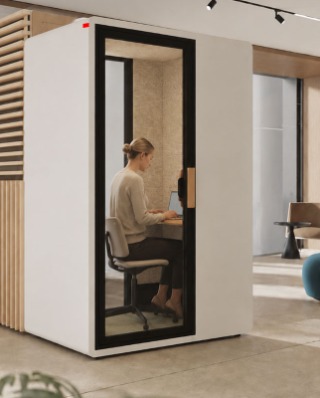
Give the visitor enough time to notice their posture, available movement and comfort while completing the chosen task. Explain the controls that are actually fitted to the demonstrated unit. Observe how easily users enter, close the door, position their belongings and leave.
A showroom visit cannot prove comfort in every building or establish accessibility compliance. Where a project has specific access requirements, involve the appropriate facilities or design adviser and check the proposed configuration against those requirements.
End with a short decision record
Write down what was demonstrated, what the visitor observed and what still needs evidence. A useful record includes the model, fitted options, activity, listening positions and any limitations of the demonstration. Add separate follow-up questions for technical documents, the proposed installation and commercial terms.
The next step should be specific: for example, checking an equipment connection or confirming which configuration matches the buyer's intended use. This gives both the dealer and the workplace team a clear basis for continuing the discussion.
Contact SpeX about your office pod requirements with the intended activity and the questions you would like a demonstration to answer.
FAQ
Can a showroom demonstration confirm an acoustic rating?
No. It can help visitors form an impression of a particular installation. A numerical performance claim needs the relevant test documentation and a clear explanation of what that result represents.
Should buyers bring their own equipment?
Where practical, using their normal laptop and headset helps identify everyday setup questions. Confirm any connection requirements with the supplier before the visit.
What should a dealer send after the visit?
Send an accurate demonstration summary and the documents needed to answer outstanding questions. Keep observed impressions, verified specifications and proposed commercial terms clearly separated.